
Elevator Safety Audits in San Antonio TX: Essential Compliance and Risk Prevention Services
Elevator safety audits protect San Antonio property owners, tenants and occupants by identifying potential hazards early, before they result in accidents or regulatory violations. In a fast-growing city of more than 1.5 million residents, with many high-rise buildings across downtown and commercial areas, reliable elevator systems are essential for daily operations. Our comprehensive elevator safety audits evaluate every component of your system to ensure compliance with ASME A17.1 standards, Texas regulations and local San Antonio ordinances while
preventing unexpected breakdowns that can disrupt business operations.
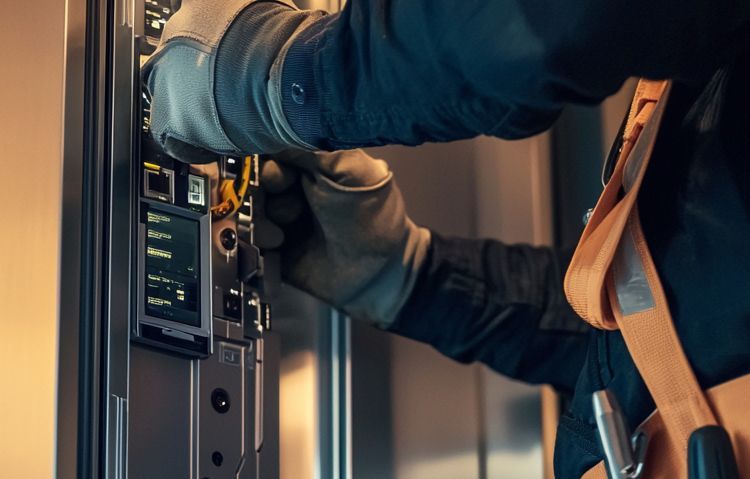
San Antonio’s humid subtropical climate and extreme temperature swings create challenges for elevator systems. Hot summers above 95°F and cold winter freezes can affect elevator performance. Our inspections factor in these conditions while reviewing key safety systems like brakes, door sensors, emergency communication devices and load capacity. We work with certified elevator inspectors to provide thorough documentation that satisfies municipal requirements and helps property managers maintain their certificate of compliance.
Building owners throughout San Antonio—from historic downtown buildings to modern healthcare campuses—depend on proactive elevator safety audits to reduce liability, lower emergency repair costs and maintain uninterrupted service. Our preventive maintenance approach identifies worn components, outdated control systems and compliance gaps before they escalate into major problems, keeping your vertical transportation systems operating safely and efficiently year-round.
Call Us 210-277-7772
Why Elevator Safety Audits Are Essential in San Antonio’s High-Traffic Buildings
San Antonio’s busy commercial districts, healthcare campuses, and residential buildings rely on elevators that operate safely under constant use. Safety audits help reduce liability, improve reliability and maintain compliance with changing regulations.
Protecting Passenger Safety Through Proactive Risk Identification
Elevator safety audits focus on protecting people by identifying hazards before accidents happen. Mechanical wear, electrical issues and emergency system failures often go unnoticed without structured inspections. Audits help uncover these problems early.
Our evaluations focus on passenger protection systems, emergency communication devices, braking mechanisms and door operations. A proactive strategy reduces the chance of injuries, minimizes service interruptions, lowers legal liability and strengthens trust with everyone who uses the building.
Key safety focus areas include
- Brake integrity and stopping accuracy
- Door sensors and reopening mechanisms
- Emergency alarms and two-way communication
- Load capacity verification
- Fire and life safety system integration
Addressing risks early through audits keeps riders safe and lowers long-term legal exposure.
Minimizing Downtime and Preventing Costly Elevator Breakdowns
Audits that address risks early improve rider safety and lower potential legal risks over time.
Elevator audits review real operating conditions such as ride quality, leveling, door operation and controller performance to reduce the risk of costly breakdowns.
Downtime prevention benefits include
- Early detection of worn mechanical components
- Identification of obsolete control systems
- Reduced emergency repair frequency
- Improved service reliability
- Extended equipment lifespan
Consistent audits keep elevators running smoothly across San Antonio’s demanding environments.
Ensuring Full Compliance With Local and National Elevator Codes
Elevator regulations evolve frequently at the municipal, state, and federal levels. Non-compliance exposes property owners to fines, failed inspections and legal claims. Safety audits ensure full alignment with current requirements.
We evaluate systems against the ASME A17.1 Safety Code, Texas Department of Licensing and Regulation guidelines and relevant local ordinances. Each audit provides clear documentation of the compliance status.
Compliance audit outcomes include
- Identification of code violations
- Clear remediation pathways
- Inspection-ready documentation
- Reduced regulatory risk
- Increased insurance confidence
Audits transform compliance from a reactive burden into a controlled process.
Call Us 210-277-7772
What Our Elevator Safety Audits Include From Inspection to Documentation
Our audits take a phased, step-by-step approach to
elevator inspections, focusing on uncovering risks and ensuring accurate, actionable results for compliance and performance.
Comprehensive Mechanical and Electrical System Inspections
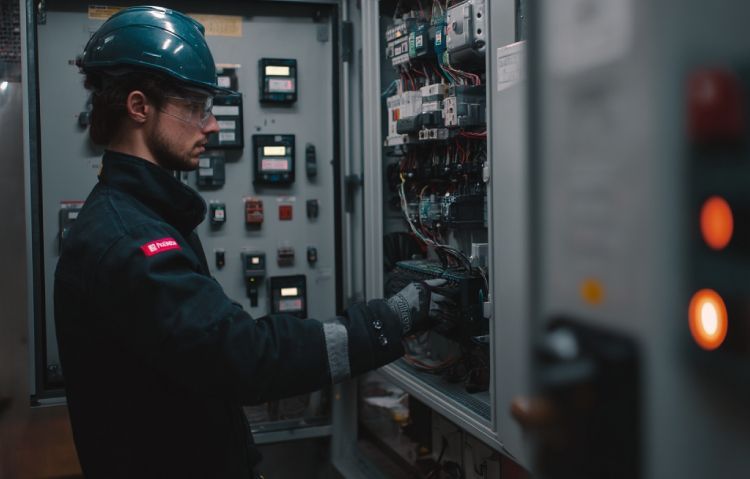
Our inspections cover all parts of the elevator, including the cab and machine room, identifying physical wear, electrical deterioration and structural concerns.
Inspection areas include
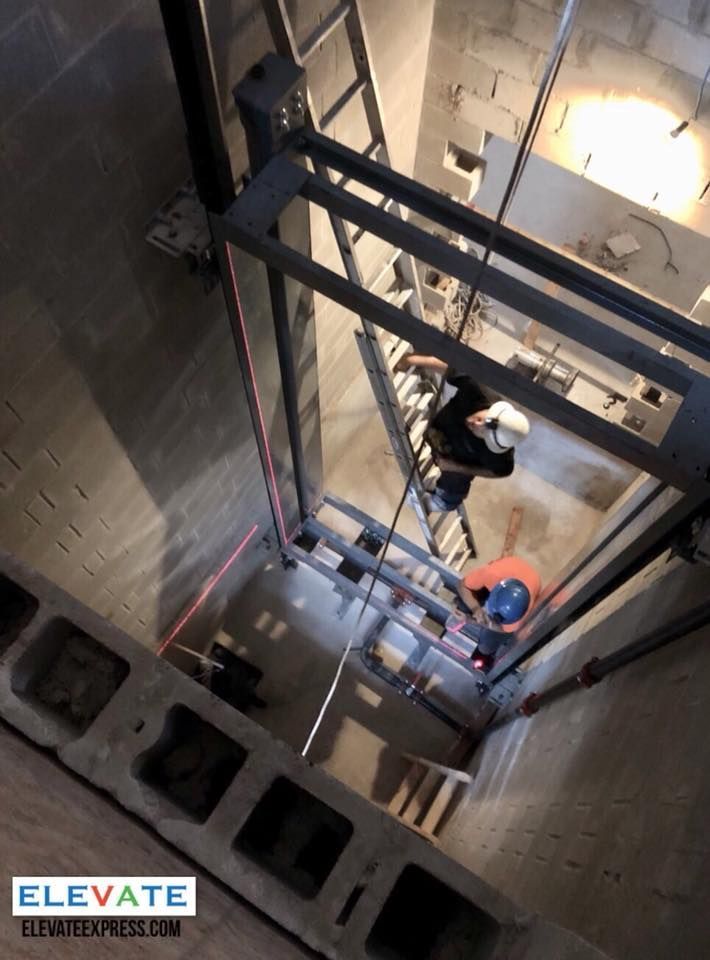
- Hoistway and guide rails
- Motors, sheaves and bearings
- Control panels and wiring
- Cab structure and interiors
- Counterweights and buffers
This detailed review uncovers problems often overlooked during routine upkeep, serving as the foundation for corrective action.
Operational Testing and Emergency System Verification
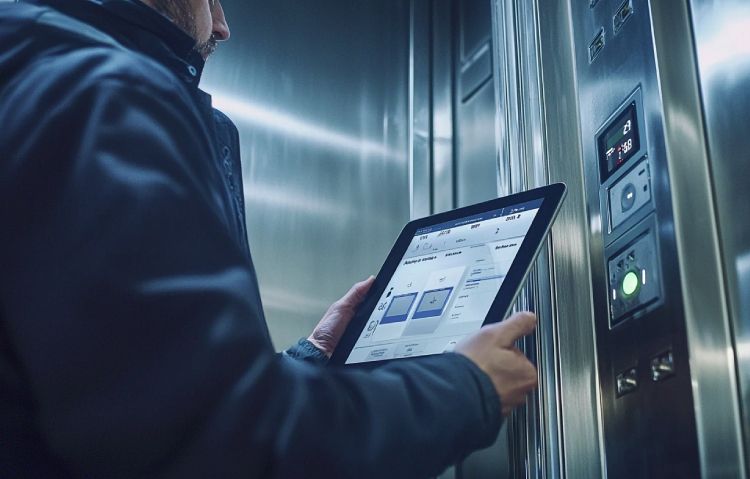
Once inspections are complete, we perform operational testing that mirrors real-life conditions, confirming safe performance in both normal and emergency scenarios.
Testing focuses on
- Brake response and stopping accuracy
- Door operation and reopening timing
- Speed consistency and leveling precision
- Alarm systems and emergency communication
- Power failure and emergency recall functions
Operational testing confirms elevators function reliably when passengers need them most.
Call Us 210-277-7772
Frequently Asked Questions
Property owners and managers in San Antonio face specific requirements and considerations for elevator safety audits. These regulations affect compliance timelines, inspection procedures, financial implications and safety standards across the city's commercial and residential buildings.
How often are elevator safety audits required for San Antonio buildings?
Elevators in Texas must undergo annual safety inspections. In San Antonio, commercial properties usually follow a 12-month schedule, while high-traffic elevators are inspected more frequently.
Freight elevators and hydraulic systems often follow the same annual schedule. Older elevators or those with past safety concerns may need semi-annual inspections until full compliance is achieved.
To avoid disruptions, book audits 30–60 days before they expire. San Antonio’s climate accelerates wear, making regular inspections vital for safety.
What specific systems and components are checked during an elevator safety audit?
Safety audits evaluate mechanical, electrical and emergency systems with thorough checklists covering brakes, doors, load controls, emergency communications and fire safety.
Mechanical components include motor assemblies, cables, sheaves and guide rails. Electrical systems cover control panels, wiring integrity and safety circuits that prevent operational hazards.
Emergency systems receive particular attention during San Antonio audits. We verify alarm systems, two-way communication, emergency lighting and backup power to protect passengers during outages and severe weather.
What are the consequences if an elevator does not pass the safety audit?
Failed audits result in immediate operational restrictions until all deficiencies are corrected and re-inspected. The Texas Department of Licensing and Regulation has the authority to halt elevators found with major safety issues.
Building owners face potential liability exposure, tenant complaints, and lost revenue during forced shutdowns. Operating elevators that don’t meet code increases the chance of denied insurance claims and significant financial liability.
We help property owners implement corrective action plans efficiently. Less severe issues continue under observation, while critical hazards demand prompt repair and verification.
In what ways can regular safety audits minimize elevator operating and maintenance expenses?
Preventive audits identify early wear, reduce repair costs and prevent unexpected downtime. Maintenance can then be scheduled during off-peak hours instead of emergency shutdowns.
Routine assessments help maintain system performance and prolong equipment life. Monitoring trends allows owners to budget for replacements and prevent unexpected costs.
San Antonio’s climate causes humidity-related corrosion and temperature stress. Regular audits identify these issues early, helping prevent major damage, system overhauls or premature replacements.
Are elevator safety audits mandatory following upgrades or substantial repairs?
Yes. Elevator safety audits are required in Texas after major upgrades, modernizations or substantial repairs. These checks make sure that new elevator components function smoothly with existing systems and meet current safety regulations.
Modernization projects often combine updated equipment with legacy components. A post-installation audit reviews both to confirm proper coordination, safe operation and meaningful performance improvements.
Don’t wait for routine inspections—audit elevators right after completion. Early detection allows contractors to correct issues promptly, reducing future risks and downtime.
How do safety audits ensure compliance with the latest elevator codes and regulations?
We conduct audits based on Texas elevator codes, local San Antonio rules, and national safety standards, keeping checklists up to date with the latest regulations and best practices.
Our code compliance verification reviews accessibility, emergency protocols and safety specifications, identifying where existing installations require updates to stay up to current standards.
We provide concise compliance reports with current conditions and actionable recommendations, helping building owners stay ahead of regulations and prevent inspection problems.
Schedule Your Elevator Safety Audit in San Antonio Today
Elevator safety is not optional—it is a responsibility. Proactive audits protect people, property and long-term investments.
Schedule an elevator safety audit today to ensure compliance, reliability and peace of mind in San Antonio, TX.